The supermarket was closing in twenty minutes, but Lena was still marching up and down the aisles like she was on a mission. Phone wedged between shoulder and ear, she was answering a colleague’s WhatsApp, mentally planning her mother’s birthday, and choosing the least unhealthy cereal. Her AirPods were in, podcast humming in the background. When the cashier’s line paused for a moment, she instinctively unlocked her phone and opened her emails. Anything to fill the gap.
Outside, in the parking lot, she finally sat behind the wheel. For three seconds, there was nothing to do. No beep, no message, no task. A tiny wave of discomfort rose in her chest, almost like panic. She started the engine, turned on the radio, and called a friend just to “catch up”.
Silence, once again, had not even been given a chance.
The hidden anxiety behind “I’m just a busy person”
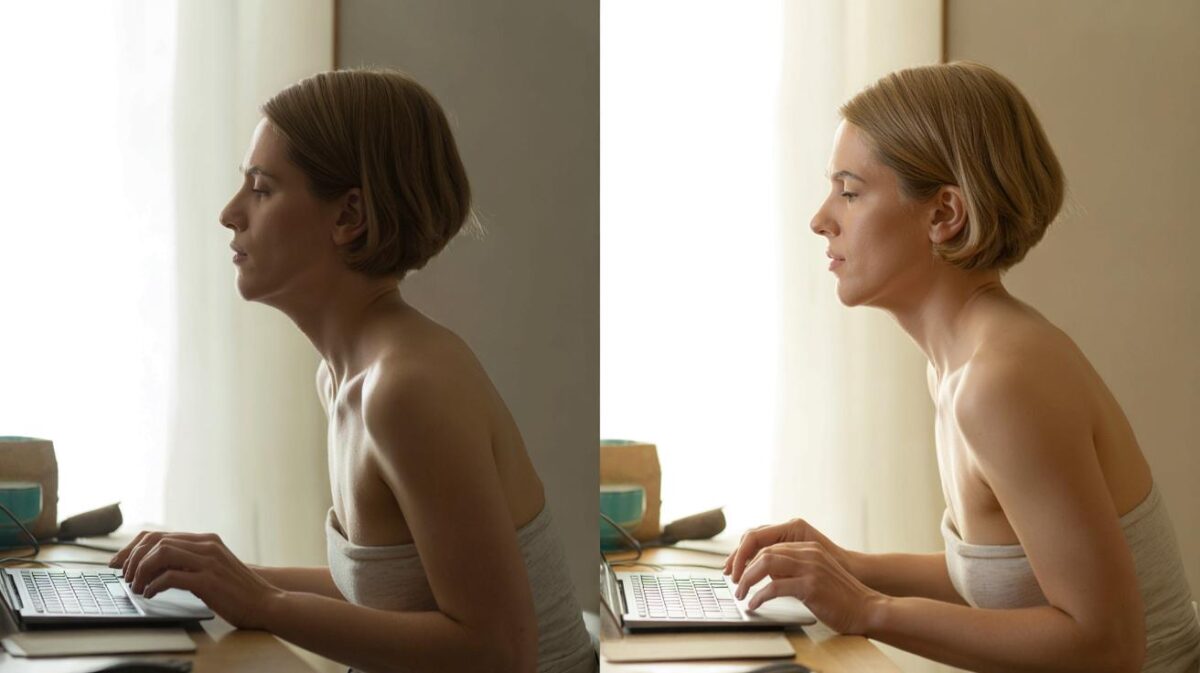
Spend a day watching people in public spaces and you’ll notice something: almost nobody just sits anymore. On the train, phones glow. At the café, laptops are open, fingers dancing. Even in queues, thumbs are scrolling like there’s a prize at the end of the line. We tell ourselves we’re being productive, or at least informed.
What you rarely hear is someone saying, “I’m doing nothing for a while.” That sentence feels almost suspect. Lazy. Suspicious. So we wrap ourselves in tasks, errands, micro-goals. We say we like being busy. The truth is often more complicated.
A psychologist I spoke with described a patient who never stopped moving. Let’s call him Marco. He had two jobs, a packed social calendar, and a side project building a camper van on weekends. When he wasn’t doing, he was planning. When he wasn’t planning, he was worrying about not doing enough.
One day, stuck at home with a sprained ankle, he was forced to sit on his sofa with no distractions for fifteen minutes. No TV, no laptop, no hammer in hand. He started sweating. His heart pounded like he’d just run a race. His thoughts went straight to everything he had been avoiding: a breakup, a difficult conversation with his father, the fear of failing at his career change. He realized, shaken, that his busyness was less a lifestyle and more a shield.
Psychologists have a name for this: “self-distraction as emotional regulation.” When we’re constantly occupied, our brain is flooded with small, manageable tasks that drown out deeper noise. It feels safe. Ticking boxes is easier than facing grief, boredom, or anxiety.
Our culture even rewards this dodge. We compliment people who say they’re “slammed” or “swamped”. Idleness, on the other hand, has terrible PR. Yet underneath the packed schedules, there’s often a quieter story: fear of being alone with our own thoughts, fear of realizing we’re unhappy in a relationship or career, fear that under all the activity, we don’t know who we are. *Stillness has no filter, and that can be terrifying.*
Learning to pause without feeling like you’re falling apart
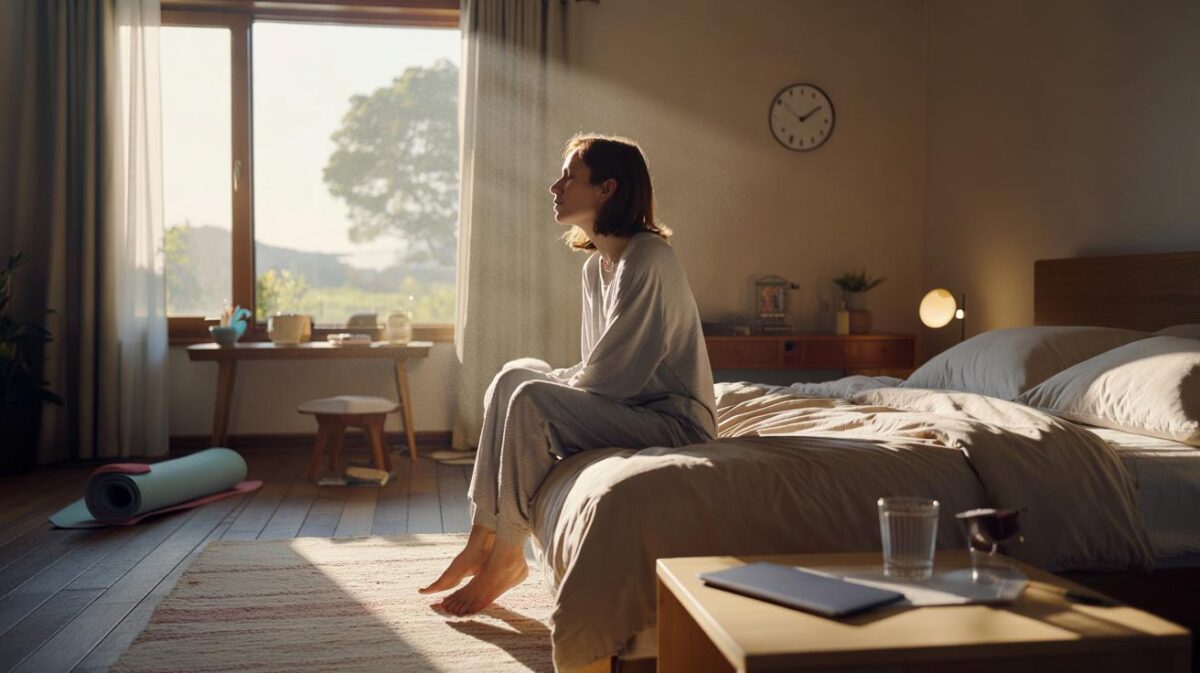
One concrete way to test your relationship with stillness is brutally simple: schedule five minutes of doing nothing. No phone. No notebook. No music. Sit on a chair, couch, or park bench and just let the minutes pass. Watch your mind like you’d watch a street from a window.
➡️ The comforting baked chicken thighs recipe I make when I want dinner without stress
➡️ Psychology explains why emotional patterns repeat even when situations change
➡️ Why your body feels better with gentle structure
➡️ “I thought effort was the answer”: why gentler habits worked better
➡️ If you feel uncomfortable being fully honest, psychology explains what your mind is protecting
➡️ The financial habit that made managing money feel lighter
➡️ This simple trick helps you remember what’s inside containers
➡️ “I’m 65 and walking downhill scared me”: the balance reflex that weakens with age
If five minutes sounds easy, try it today and see what happens in your body. Do you itch for your phone? Do you suddenly remember something “urgent”? Does your leg start bouncing like a metronome? Those tiny urges are not random. They’re signals that your nervous system has learned to associate rest with discomfort. Five minutes becomes a mirror.
A common trap is turning stillness into yet another performance. People download three meditation apps, buy a fancy cushion, and then feel guilty when they can’t sit in peace like the serene people in the app photos. Let’s be honest: nobody really does this every single day.
If you’re used to moving constantly, dropping into silence will feel awkward, even useless, at first. You might judge yourself: “I’m wasting time.” Or you might try to optimize the pause, subtly turning it into a productivity hack. That’s just the busy habit changing clothes. The kinder approach is to expect the discomfort and see it as part of the experiment, not as a failure.
“Stillness doesn’t create our wounds, it simply removes the noise that was hiding them. The question is not ‘Why do I feel this way when I stop?’ but ‘What have I been running from by never stopping?’”
One way to ease into this process is to create gentle, structured pauses that feel safe rather than dramatic. You can use a “tiny pause menu” like:
- One-minute pause before opening your messages in the morning
- Three silent breaths every time you sit in your car or on public transport
- Two technology-free meals per week, even if you eat alone
- A short, device-free walk with no podcast, just the sounds around you
- Journaling for five minutes, not about your day, but about what you feel when nothing is happening
These are small on purpose. Your nervous system learns that stillness is not a threat, just a different rhythm.
What staying busy might be hiding from you
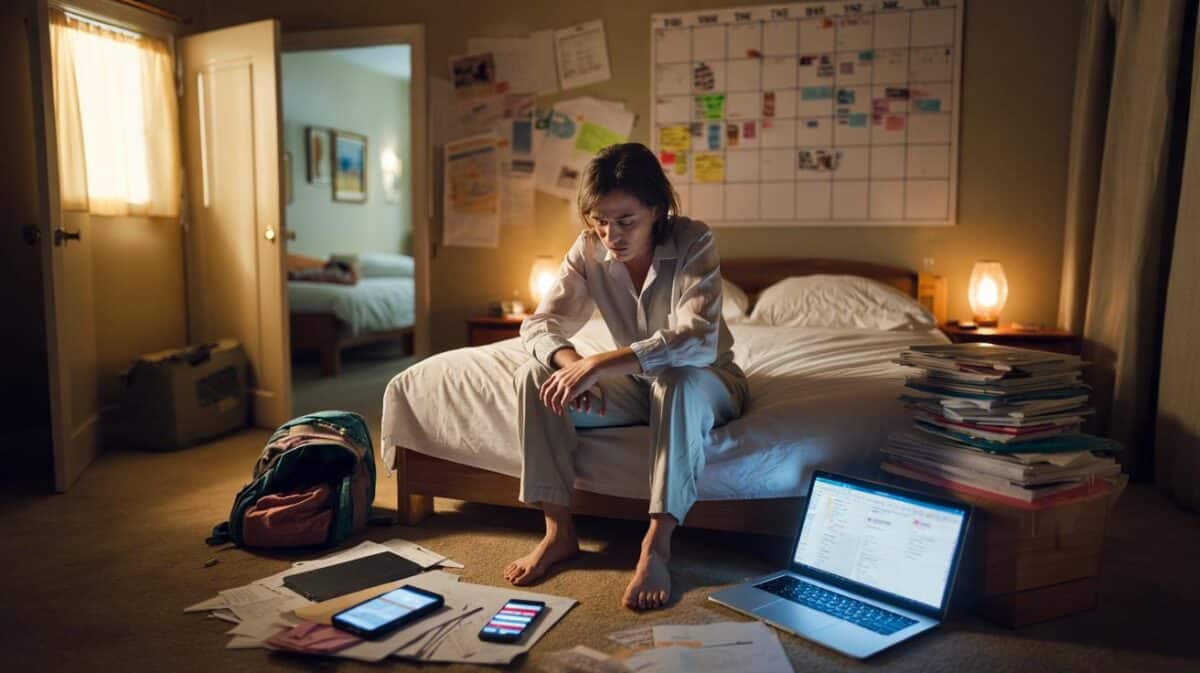
Once you start experimenting with even tiny pauses, something interesting often happens. Old emotions knock at the door. You’re sitting quietly and suddenly you’re angry at something that happened three years ago, or sad about a friendship that faded. You remember an uncomfortable truth about your job, your partner, your own loneliness. None of this is new. It was just buried under calendar alerts and to-do lists.
This is where many people bolt back into activity. They open Instagram. They clean the kitchen. They volunteer for a new project. Anything to push the rising wave back down. Yet that wave is data. It’s your inner life trying to speak.
There’s also a more subtle layer: identity. A lot of us have built our self-worth around being “the reliable one”, “the high achiever”, “the always-there friend”. Rest threatens that image. If you’re not constantly available, constantly working, who are you? That’s not a small question.
Busy-ness can become a costume we forget is a costume. Underneath, there might be a person who is tired, or who doesn’t like the life they’ve designed, or who wants to say no more often but doesn’t know how. Slowing down even a little can expose those cracks. It’s not comfortable, but it’s honest. And honesty is where real change starts.
You don’t have to fix your entire life in one brave weekend of silence. That’s another trick of the always-on mind: turning healing into a project sprint. One useful frame is to see stillness as a skill rather than a quality you either have or don’t have. Skills are learned. Gradual. Messy.
You can ask yourself gentle questions during a pause: “What am I afraid will show up if I don’t stay busy?” “Which feeling keeps returning when I stop?” “Where did I learn that resting makes me less worthy?” These are not questions with quick answers. They’re invitations. And they open a different kind of productivity: one where your inner life finally gets a seat at the table instead of being shoved under it.
| Key point | Detail | Value for the reader |
|---|---|---|
| Busyness can be emotional armor | Constant activity often hides avoided feelings like anxiety, grief, or dissatisfaction | Helps readers see their schedule as a coping strategy, not just a personality trait |
| Stillness triggers discomfort at first | Short pauses without distractions can feel restless, pointless, or even scary | Normalizes the initial unease and reduces shame around “failing” at rest |
| Small, structured pauses build tolerance | Micro-rituals like one-minute breaks or device-free walks train the nervous system | Offers practical ways to practice stillness without overhauling daily life |
FAQ:
- Why do I feel guilty when I’m not doing something?That guilt often comes from old beliefs that worth equals productivity. Maybe you were praised only when achieving or criticized when resting. The feeling is learned, not a sign that resting is wrong.
- Is being busy always a bad thing?No. Activity can be meaningful and energizing when it’s chosen, not used to escape. The question is whether you can tolerate quiet moments, not whether you have a full calendar.
- How do I know if I’m avoiding something by staying busy?Notice what shows up in rare quiet moments: recurring worries, sadness, or anger. If your first instinct is to immediately distract yourself, that’s a clue you might be using busyness as a shield.
- What if stillness makes my anxiety worse?Shorten the pauses and give them a clear frame, like focusing on your breath or sounds around you. If anxiety spikes intensely or feels unmanageable, talking to a therapist can provide safer ways to explore it.
- Can I learn to enjoy doing nothing?Yes, but it usually comes in stages. At first it may feel weird or useless, then tolerable, then occasionally pleasant. Over time, many people find that quiet moments become the place where they actually hear themselves.