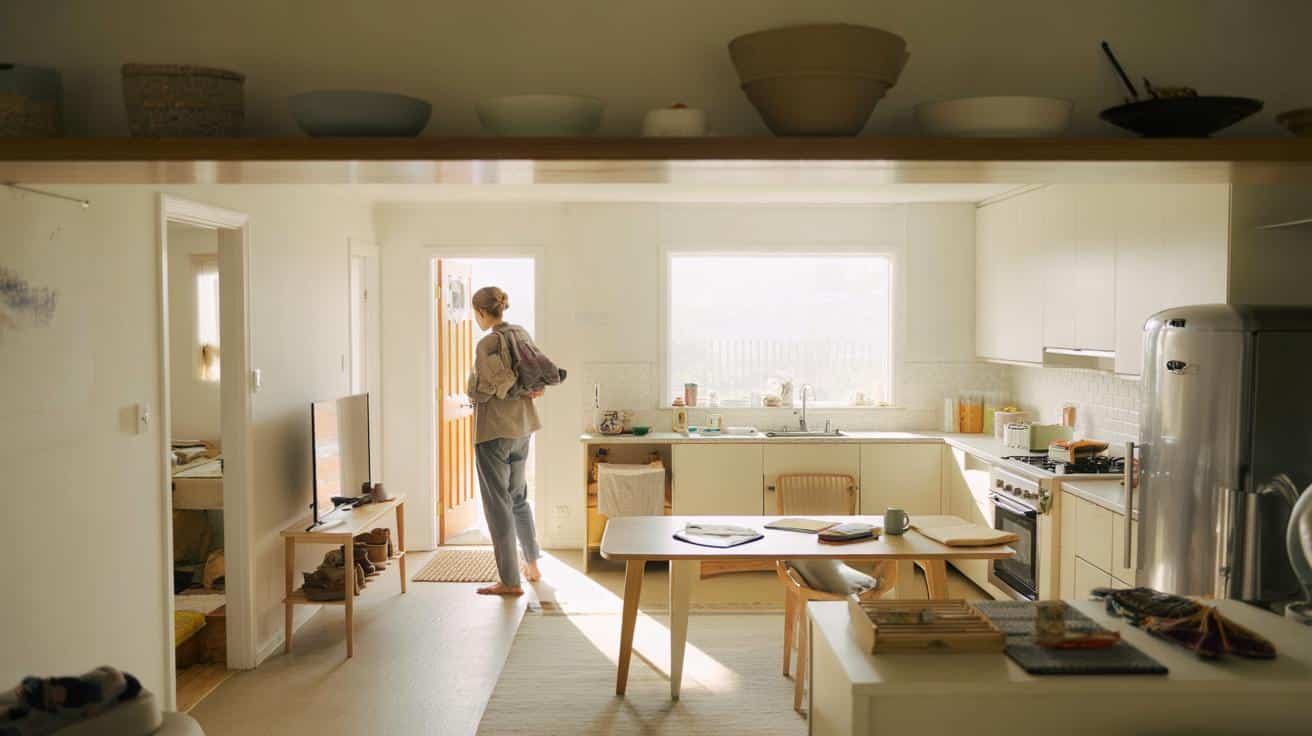
The day I stopped scrubbing my baseboards, I felt like a rebel. It was a Tuesday, I was barefoot on the kitchen tiles, and my cleaning playlist was already on song three when I hit a wall. Not a real wall, a mental one. I looked around at the house I kept wiping, dusting, and polishing… and still, it never felt “done”.
So I did something strange. I put the sponge down.
Over the next few weeks, I quietly dropped a few “must-clean” zones from my weekly routine. The world did not end. My home did not collapse into chaos. And to my surprise, the house actually started to look cleaner, calmer, less messy.
That was the day I understood: maybe the problem wasn’t my dust.
It was my cleaning strategy.
When less cleaning somehow made everything look cleaner
The first thing I stopped obsessing over was the skirting boards and door frames. Those little strips of wood had somehow become my personal enemy. I’d bend over them with a damp cloth, chasing faint grey lines that no guest had ever noticed.
Once I skipped them for two weeks, nothing dramatic happened. The kitchen didn’t feel dirtier, the hallway didn’t suddenly shout “neglect”. What I did notice was that I had twenty extra minutes to clear the dining table and deal with the shoes piling up by the door. The visible chaos shrank, even as some invisible dust stayed where it was.
The same thing happened with the top of the fridge. I used to drag a chair, climb up, scrape the slight film of dust, rearrange the pointless bowls living up there… all for an area no one sees unless they are 1.90m and incredibly bored.
One month, I skipped that ritual. Instead, I wiped the bathroom mirror and sink every other day, just a quick swipe while brushing my teeth. Friends started saying things like, “Your bathroom always feels so fresh.” They never congratulated me on my spotless fridge-top. That invisible dust? Still there. But what people actually used and looked at started to shine.
There is a simple logic behind this. Our eyes naturally land on horizontal surfaces at hand level and on anything that reflects light. That means counters, tables, sinks, mirrors, screens. When those are clean, the brain reads “overall tidy”, even if a high shelf is quietly gathering dust.
By over-cleaning low-impact areas, we burn energy we could spend on those high-impact zones. The result is a house where the “wrong” things are spotless, while the real visual hotspots stay a bit grimy. Once I reversed that, the whole place felt different, even if I was technically doing less.
➡️ “I thought effort was the answer”: why gentler habits worked better
➡️ Psychology explains why certain emotional triggers feel disproportionate but deeply real
➡️ Why your body feels better with gentle structure
➡️ This is why silence feels uncomfortable for many
➡️ “I’m 65 and walking downhill scared me”: the balance reflex that weakens with age
➡️ This simple trick helps you remember what’s inside containers
➡️ If you feel emotionally alert all the time, psychology explains the mental state behind it
➡️ Psychology explains why emotional patterns repeat even when situations change
The places I stopped cleaning so often (and what I did instead)
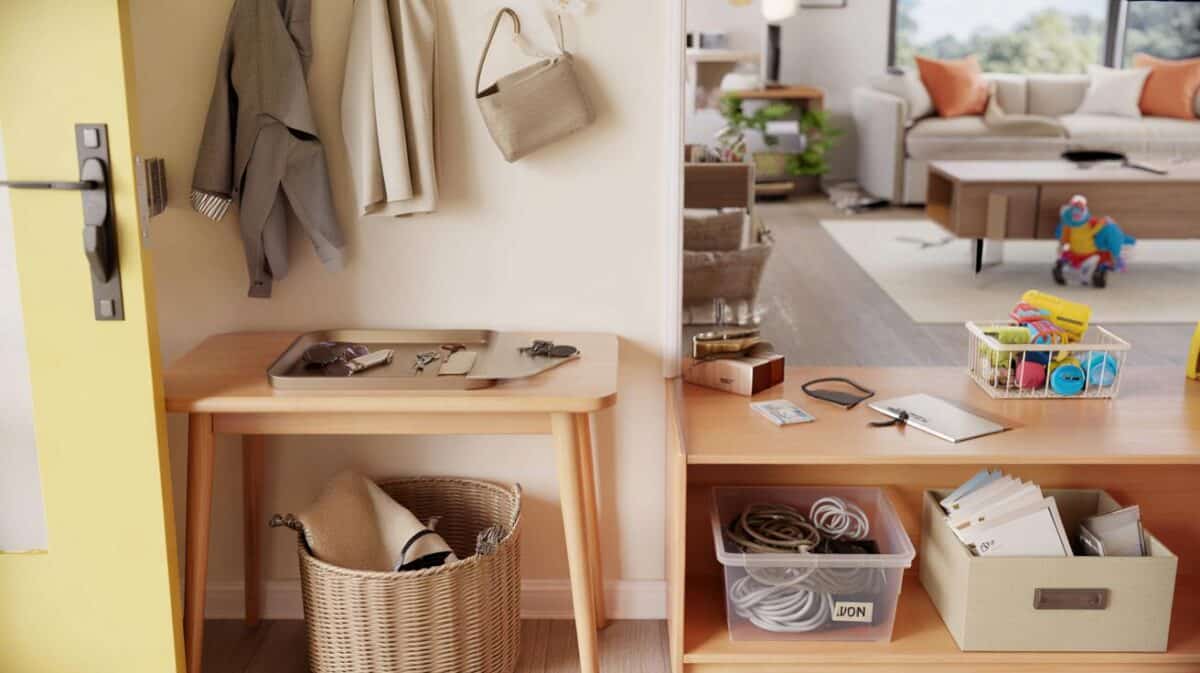
The biggest game-changer was shifting from a “clean everywhere a little” mindset to a “clean the right spots a lot, the rest rarely” mindset. I picked five zones that actually define how my home feels: kitchen counters, dining table, bathroom sink and mirror, living room coffee table, and the entry area.
Those became my daily or near-daily hits. Quick swipes, not deep cleans. Then I demoted some old “musts”: baseboards, the inside of cupboards, the top of tall wardrobes, and decorative knick-knack shelves. They moved to a monthly, even quarterly list. By naming my priorities, I freed myself from that vague guilt of “I should be cleaning something right now”.
Of course, the guilt didn’t leave quietly. The first weekend I didn’t vacuum under every piece of furniture, a little voice went: “You’re letting things go.” But then I looked at the sofa, fluffed and crumb-free. The floor where we actually walk was clean. The table was clear enough for a spontaneous board game. That felt far more liveable than a dust-free bed frame no one sees.
We’ve all been there, that moment when you’re scrubbing the shower grout on your knees while the pile of laundry stares at you from the chair. When I started treating my time and back muscles like limited resources, my priorities changed. The laundry won. The grout lost. And my days felt kinder.
There’s also a sneaky psychological bonus. When you clean everything constantly, you don’t notice progress. The house is always mid-project, never “good enough”. When you stop attacking low-impact areas, the improvements in key spots stand out more sharply. Your brain registers the quick win of a shiny sink or a clutter-free coffee table.
Let’s be honest: nobody really does this every single day. But doing small, visible tasks regularly, and letting go of the invisible battles, shifts your whole relationship with cleaning. Suddenly, it feels less like punishment and more like routine care. *You start aiming for “liveable and pleasant”, not museum-level perfection.*
How to clean less and still feel proud of your home
One simple method helped me most: the “hot spots and cold spots” map. I walked through my home and wrote down where grime and clutter show up fastest: kitchen sink, stove area, couch, bathroom sink, entry mat. Those became my “hot spots”. Everything else slipped quietly into the “cold spots” category.
Now, I give my hot spots five to ten minutes a day. Fast wipe, quick put-away, bin anything obvious. Cold spots? They get scheduled: one or two zones per week, no urgency, no drama. Instead of chasing dust at random, I follow the map. It’s weirdly calming to look at a slightly dusty shelf and think, “You’re a cold spot, I’ll see you next month.”
The most common trap is all-or-nothing cleaning. You don’t touch anything for days, then you attack the whole house in a rage-clean, collapse, and repeat. That’s when you start scrubbing window tracks at 11 p.m. just because your energy has nowhere to go.
A gentler approach is to accept that some mess is just… normal life. Toys in a basket, shoes by the door, a book on the sofa. Not every object out of place is a failure. Save your energy for grime that spreads and smells: dishes, trash, bathroom surfaces, food stains. When you stop treating every speck of dust like an emergency, you actually become more consistent. And consistency wins over intensity.
“Once I gave myself permission to ignore certain corners, I suddenly had energy to actually enjoy my home instead of just managing it,” a friend told me over coffee. She had quietly dropped her weekly window-washing habit and focused on her kitchen surfaces and floors instead. Her house didn’t look neglected. It looked lived in, and somehow fresher.
- Shift your focus to a few daily “hot spots” that really change how your home feels.
- Downgrade high-up, hidden, or rarely used areas to monthly or seasonal cleans.
- Use your best energy on grime and clutter, not on invisible dust trophies.
- Accept small, harmless messes as signs of life, not personal failure.
- Protect your back, your time, and your mood like they matter as much as a shiny floor.
Living with an “imperfectly clean” home on purpose
Once you stop over-cleaning certain areas, something else shifts: how you see your home, and yourself in it. Instead of scanning urgently for flaws, you start noticing the parts that work. The corner where the morning light hits the plants. The clear patch of counter ready for breakfast. The bathroom mirror that doesn’t judge you with streaks.
You might still see the dust on a high shelf when the sun hits just right. You might think, for a second, “I should get to that.” Then you remember you chose this. You chose a home that supports your life, not a life that serves your home. That’s a quiet kind of freedom.
| Key point | Detail | Value for the reader |
|---|---|---|
| Prioritize hot spots | Focus daily on sinks, counters, tables, entry area | Home looks cleaner faster with less effort |
| Demote low-impact zones | Baseboards, high shelves, top of fridge go on a monthly list | Reduces guilt and saves time and energy |
| Accept “good enough” | Live with minor, harmless dust and visual mess | Less stress, more realistic and sustainable routine |
FAQ:
- Question 1Which areas can I safely clean less often without my home feeling dirty?Anything high, hidden, or rarely touched: tops of cabinets, picture frames, door frames, skirting boards and the inside of rarely used cupboards. These can often move to a monthly or even seasonal schedule.
- Question 2Won’t dust build up and get worse over time?Dust will build up slowly, yes, but in those low-impact zones it rarely affects how you live day-to-day. A quick seasonal or monthly wipe is usually enough to reset them without constant effort.
- Question 3What should I clean more often if I’m cleaning other areas less?Focus on “high traffic + high touch” surfaces: kitchen counters, dining table, bathroom sink and toilet, light switches, handles, remote controls, and the entry area where dirt comes in.
- Question 4How do I deal with the guilt of not cleaning everything?Remind yourself you’re choosing strategy, not neglect. You’re protecting your time, body, and mental load so you can keep your home pleasant long term instead of burning out in cycles.
- Question 5Is this approach compatible with kids, pets, or allergies?Yes, but your hot spots may shift: floors, soft surfaces, and bedding might join the priority list. You can still downgrade high and hidden areas while giving more frequent attention to places where fur, crumbs, or allergens land.