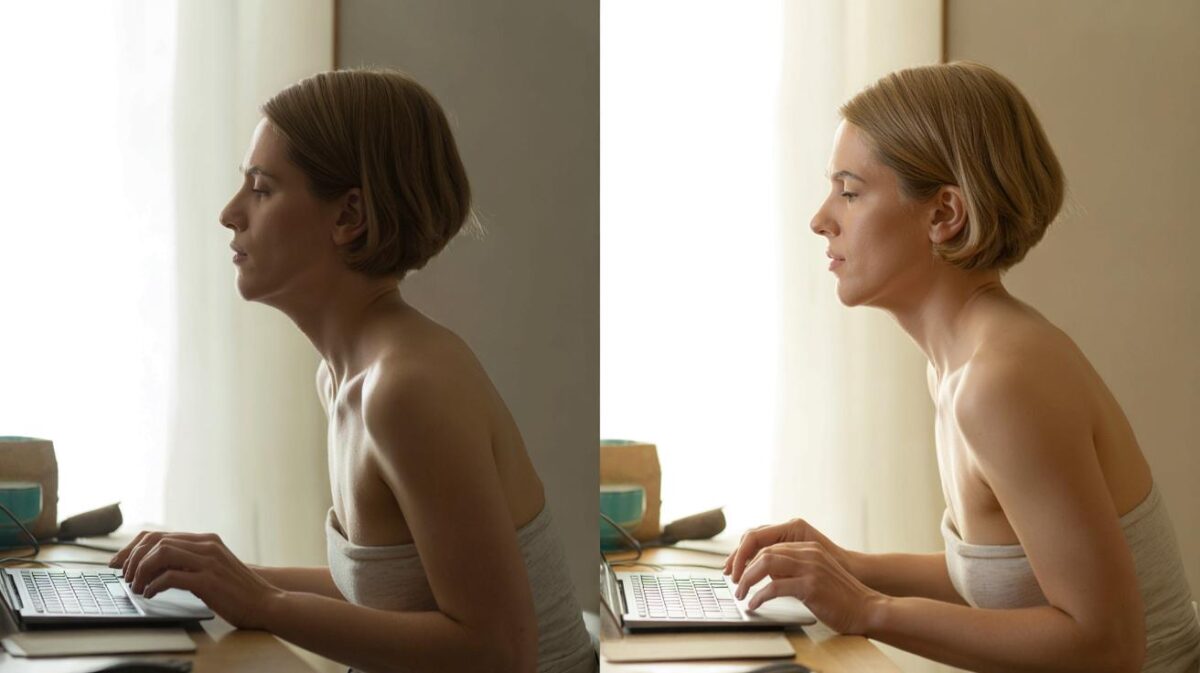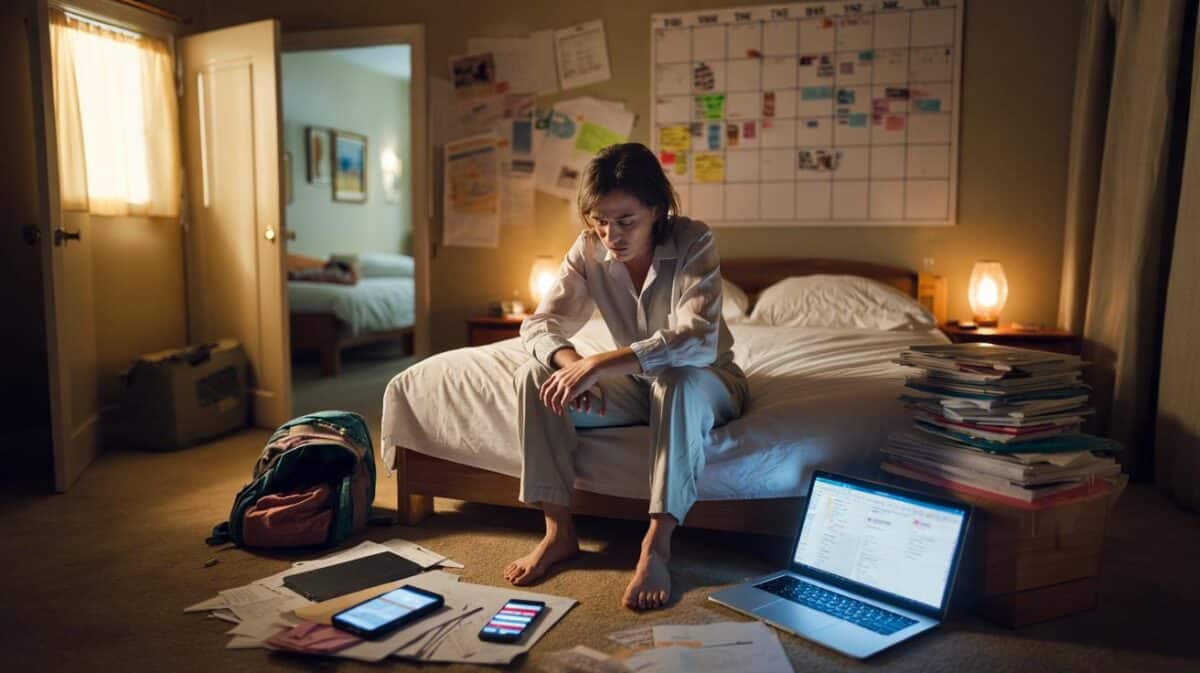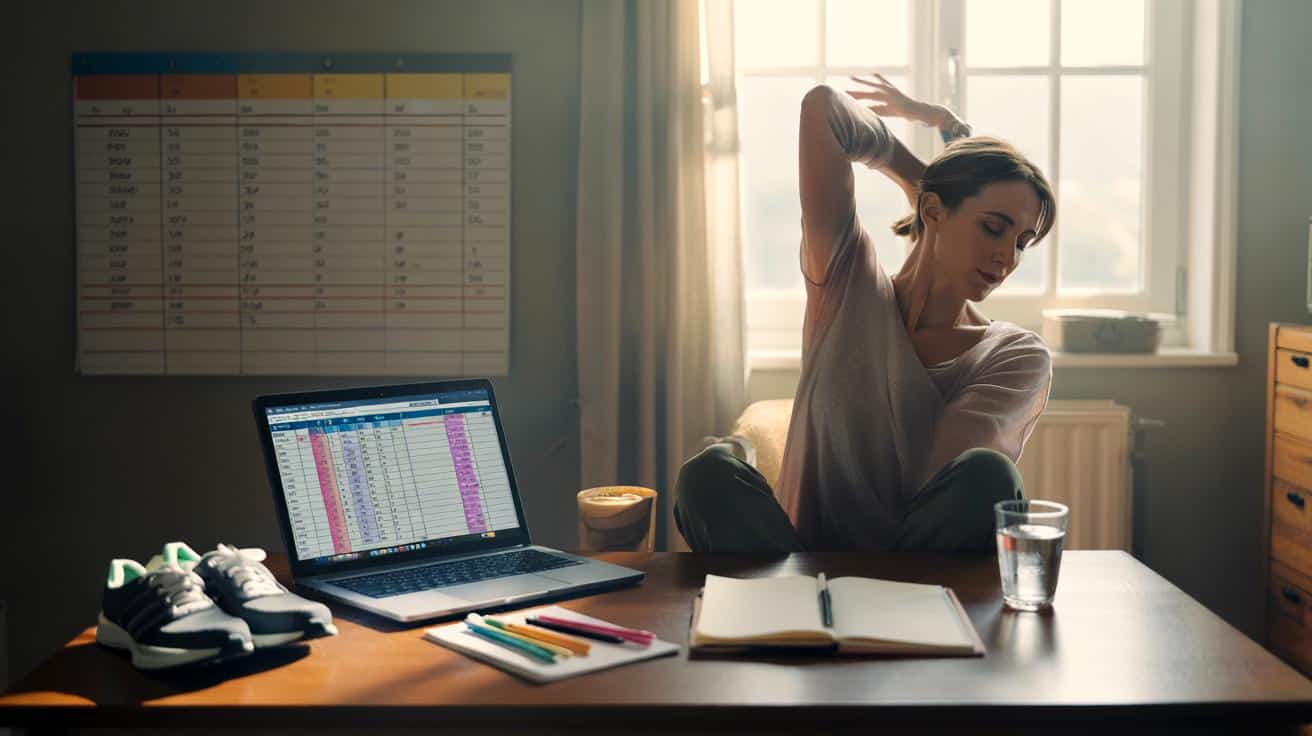
On a gray Tuesday in February, I sat at my desk with a color-coded spreadsheet of “New Me” habits. Wake at 5:30. Run 5km. Meditate 20 minutes. No sugar. Read 30 pages. The plan looked beautiful. My life did not.
By Thursday, the 5:30 alarm was a joke. By Sunday, the running shoes were back in the closet. The spreadsheet stayed open on my laptop like a quiet accusation. I told myself I’d just been “weak”. I needed more discipline. More willpower. More effort.
Then something strange happened. The only habit that stuck was the lazy one. A two-minute stretch in the morning. A single glass of water at my desk. A 10-minute tidy instead of a full deep-clean. Tiny things that didn’t feel like effort at all.
It messed with everything I believed about self-improvement.
When effort becomes the enemy
I grew up on the gospel of pushing harder. Hustle culture, motivational quotes, endless “no pain, no gain” slogans. If you weren’t exhausted, you weren’t doing enough. So I attacked my habits the same way I attacked my to-do list: with sharp elbows and a clenched jaw.
The problem is, a life strategy based on permanent tension doesn’t stay upright for long. Your brain quietly goes on strike. Your body starts negotiating. Your energy drains in tiny invisible leaks.
What looks like “laziness” from the outside is often just your system saying, “This is not sustainable”.
One client I interviewed, let’s call her Laura, had a classic January plan. She wanted to get fit, write a book, and learn Spanish. She downloaded three apps, bought two online programs, and filled an entire notebook with detailed routines. For two weeks, she was unstoppable.
Then came a long day at work, a sick child, a late-night email crisis. Her routine shattered in 24 hours. She didn’t miss one workout. She missed all of them. The app notifications turned into a choir of guilt.
What finally worked for her was almost embarrassingly small. Ten squats while the kettle boiled. Five Spanish phrases a day. One “ugly” paragraph for the book, written in notes on her phone. No pressure. No streaks. Just gentle, low-friction actions. That’s when change finally stopped slipping through her fingers.
There’s a simple reason softer habits work better: your brain is not a machine, it’s a risk manager. It constantly scans: “Is this safe? Is this doable? Can I win at this?” Huge effort looks dangerous. It smells like failure waiting to happen.
➡️ The financial habit that made managing money feel lighter
➡️ “I’m 65 and walking downhill scared me”: the balance reflex that weakens with age
➡️ This is how to store things without overthinking it
➡️ This simple trick helps you remember what’s inside containers
➡️ Why your body feels better with gentle structure
➡️ This is why silence feels uncomfortable for many
➡️ This classic American-style casserole is simple, filling, and deeply satisfying
➡️ “I’m exhausted by expectations I never agreed to”: psychology explains emotional accumulation
When you demand 60 minutes, your brain hesitates. When you ask for 3 minutes, it shrugs and goes, “Fine, whatever.” The door to action creaks open. You move. And once you’re moving, everything else gets easier.
*Hard habits impress your ego. Gentle habits protect your consistency.*
That’s where the quiet transformation happens, in those tiny moments your brain doesn’t fight.
How to build gentler habits that actually stick
Start with something so small it almost feels silly. One push-up beside your bed. Writing one sentence of your project. Putting your running shoes by the door and walking around the block, not running. The point isn’t the result. The point is sending a new message to your nervous system: “This is safe. This is easy. We can do this.”
Pick one habit and shrink it until you can do it on your worst day. Hungover, tired, annoyed, late. If it still feels possible, you’re in the right zone.
Then anchor it to something you already do: after coffee, after brushing your teeth, after opening your laptop. The link matters more than the length.
The biggest mistake? Turning gentle habits into secret perfection contests. You start soft, then quickly escalate. Two minutes of meditation becomes 20. A slow walk becomes a 10km plan. Your brain thinks, “Ah. We’re back to all-or-nothing again.” And it quietly opts for nothing.
Another trap is guilt-stacking. You miss one day, then punish yourself with double effort tomorrow. That’s not gentleness. That’s self-sabotage in a productivity costume.
Let’s be honest: nobody really does this every single day. You will miss days. Life will spill over your schedule. The difference with softer habits is that it’s so easy to get back on the bike, you don’t waste time hating yourself on the pavement.
Sometimes the bravest thing you can do is not push harder, but finally decide you’re allowed to go slower.
- Reduce the frictionLay out your clothes, open the document, fill the water bottle the night before. The less you have to decide in the moment, the more likely you are to act.
- Lower the bar on “success”Success is not a perfect workout. It’s showing up for 3 minutes. Do that often enough and the bar quietly raises itself.
- Protect the habit, not the intensityIf you’re exhausted, walk instead of running, stretch instead of lifting, jot bullet points instead of full pages. Keep the rhythm, even if the song is softer.
- Be kindly honest with yourselfGentle does not mean lazy. It means sustainable. Ask: “Can I see myself doing this in six months?” If the answer is no, scale down.
- Celebrate boring consistencyQuick wins feel exciting. Slow, steady repetitions feel dull. Yet that dullness is often the sound of your life quietly changing in the background.
The quiet power of going softer on yourself
There’s a strange relief that arrives when you stop treating your life like a bootcamp and start treating it like a garden. Some days call for pruning. Some for watering. Some just for sitting on the grass and breathing.
Gentler habits don’t give you the adrenaline rush of a heroic overhaul. They give you something less glamorous and more radical: a daily life that doesn’t feel like an exam. You start trusting yourself again because you’re no longer promising things you secretly know you won’t keep.
You also begin to notice unexpected side effects. When effort is no longer constantly maxed out, your creativity has room to wander. Your relationships breathe. You stop snapping at people for interrupting your “perfect routine” and start living an actual human day.
The story we’ve been sold is that discipline must feel harsh, like a drill sergeant in your head. The reality is quieter. Real discipline sounds like a calm voice saying, “Let’s do the small thing we can do today.” And then saying it again tomorrow.
Maybe the real turning point isn’t when you finally push hard enough. Maybe it’s when you stop equating worth with struggle, and let your effort be gentle, imperfect, even a little boring. That’s usually when things begin to move for real.
You might still keep your color-coded plans and big visions. Just hold them with softer hands. Swap the spreadsheet guilt for tiny, repeatable gestures that fit inside the messy days you actually live, not the fantasy days you wish you had.
The question that lingers is simple, and a bit uncomfortable: if effort alone was the answer, wouldn’t it have worked by now?
| Key point | Detail | Value for the reader |
|---|---|---|
| Start smaller than you think | Design habits that survive your worst, most chaotic days | Build consistency without needing perfect motivation |
| Protect the rhythm, not the intensity | On low-energy days, keep the habit but reduce the effort | Stop the all-or-nothing cycle that derails progress |
| Gentleness is a strategy, not a weakness | Soft habits lower resistance and calm the nervous system | Change becomes sustainable, less stressful, and more human |
FAQ:
- Question 1Does going “gentle” mean I’ll progress more slowly?
- Question 2How small is “small enough” for a new habit?
- Question 3What if I actually enjoy intense challenges?
- Question 4How do I stop feeling guilty when I lower the bar?
- Question 5Can gentle habits really change big things in my life?