The first time I realized something was wrong was at a traffic light.
I caught my reflection in the car window and thought, “Who is that hunched person?” My shoulders were near my ears, my head jutted forward, and my jaw was locked as if I were clenching through a storm. I wasn’t in danger, I wasn’t late, nothing special was happening. I was just… tense. Everywhere. All the time.
I started noticing it everywhere: at the sink, washing a mug; in bed, scrolling my phone; even laughing with friends, still slightly folded in on myself. My body was quietly screaming, while I was busy pretending everything was fine.
The scary part was what my posture was doing silently in the background.
When your body becomes your inbox for stress
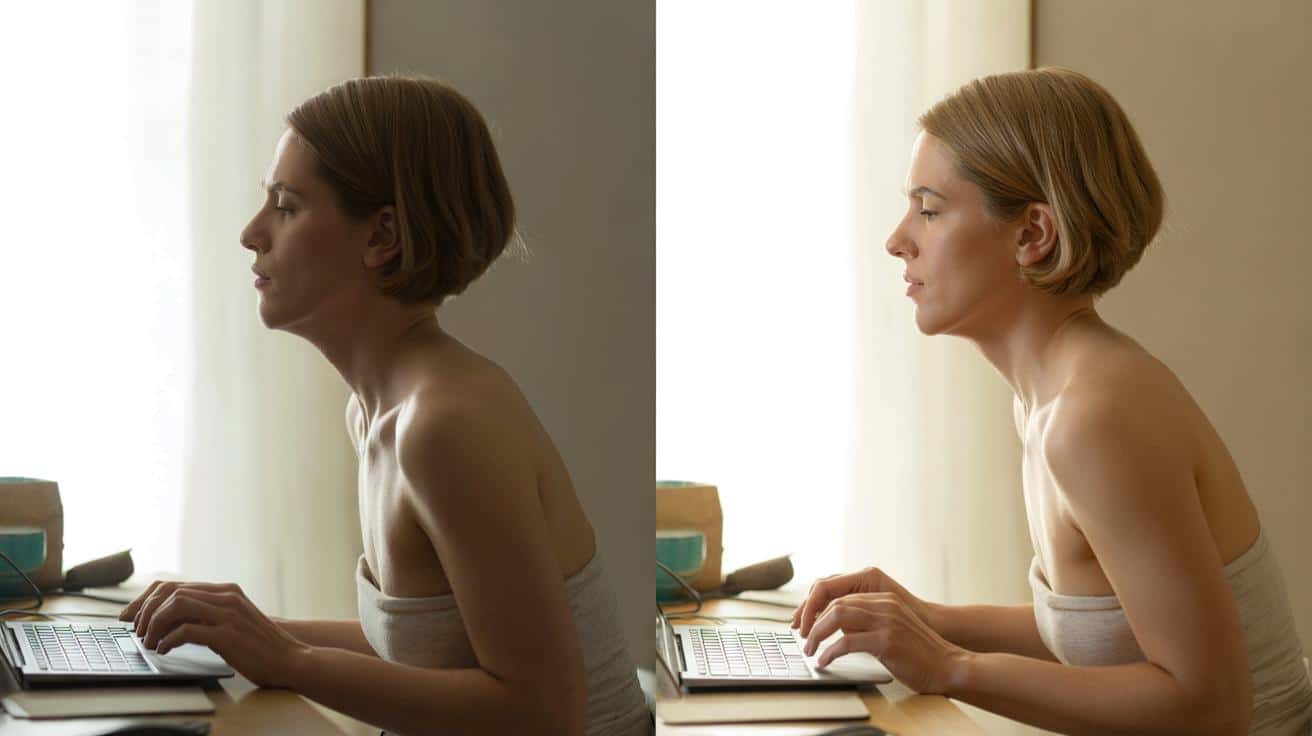
Once I started paying attention, I saw the pattern. Sitting at my desk, I looked like a question mark. My neck craned toward the screen, shoulders caved, lower back flattened against a chair that never really fit me. My breathing was so shallow I could barely see my chest move.
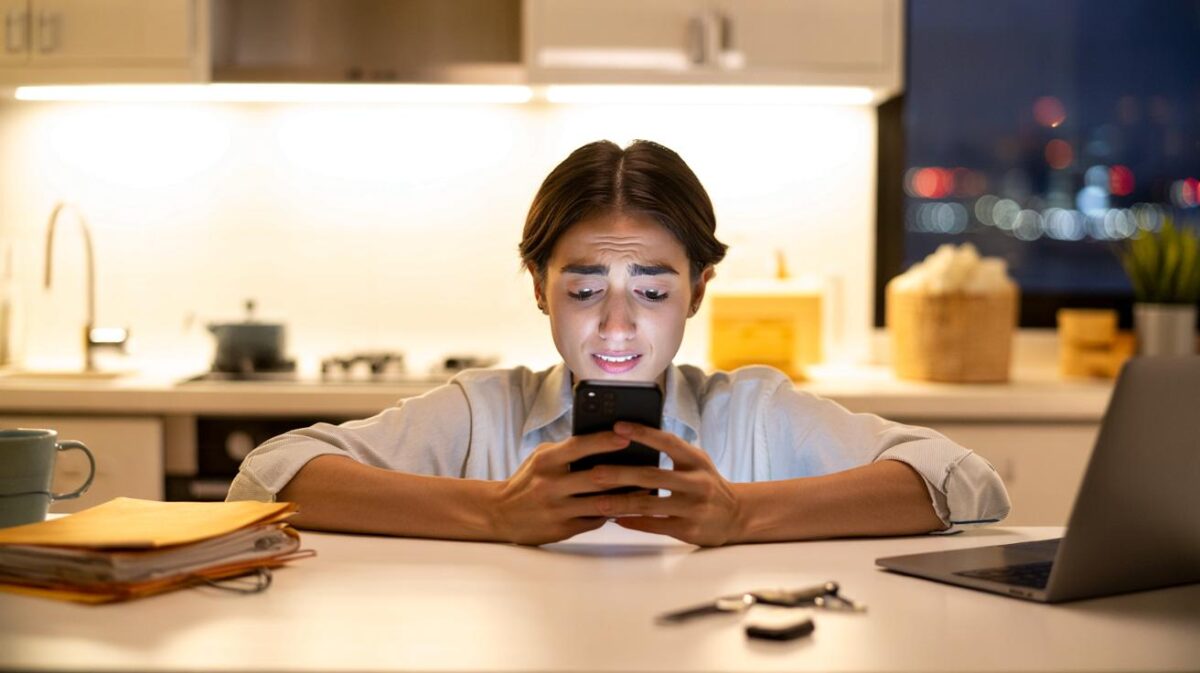
From the outside, I looked like someone focused on work. Inside, my muscles were doing overtime that no one had asked them to do. That low hum of tension followed me everywhere, like a notification that never turned off.
One evening, after a long day of “just sitting,” I stood up and my back seized. No workout. No accident. Just eight hours of emails. My spine felt like it belonged to a much older person. I ended up lying on the living room floor, staring at the ceiling, wondering how simply existing in a chair had done this to me.
A physio later told me something that stuck: lots of her clients arrive saying, “I don’t do any sport, I just sit.” And yet they come in with neck pain, headaches, burning shoulders, even tingling hands. That “just sit” was quietly rewriting their whole body.
What we call “bad posture” isn’t just about looks or standing straight in photos. It’s a long, slow negotiation between gravity and our habits. When we slump forward, the weight of the head increases on the neck like a bowling ball on a stick. The muscles in the upper back fight to keep us upright, while the chest and hip flexors shorten and tighten. Over months and years, the body adapts. It lays down tension in layers.
The result is a nervous system that sees your desk as a mild threat and keeps you in low-grade fight-or-flight. You don’t feel “stressed”, yet your shoulders are already telling a different story.
Learning to inhabit your body again, one small gesture at a time
The first thing that helped was ridiculously simple: I started doing “posture check-ins” like I check my messages. Every time I changed task — new email, new tab, new room — I asked, “Where are my shoulders? Where is my breath?” No judgment, just noticing.
➡️ If you feel emotionally unsettled after good news, psychology explains the anticipation effect
➡️ “I’m exhausted by expectations I never agreed to”: psychology explains emotional accumulation
➡️ “I’m 65 and walking downhill scared me”: the balance reflex that weakens with age
➡️ If you feel emotionally alert all the time, psychology explains the mental state behind it
➡️ “I thought effort was the answer”: why gentler habits worked better
➡️ This simple trick helps you remember what’s inside containers
➡️ I noticed my home stayed cleaner once I stopped cleaning certain areas so often
Then I’d do a three-breath reset. On the inhale, I’d gently grow taller, imagining a string lifting the top of my head. On the exhale, I’d let my shoulders melt down and back, not yanked, just allowed. I’d uncross my legs, feel my feet on the floor, and let my ribs soften so my belly could actually move. Tiny, invisible adjustments that slowly made my body feel less like a clenched fist.
Most of us respond to posture advice like we respond to flossing schedules. We nod, agree, and forget by tomorrow. Let’s be honest: nobody really does this every single day.
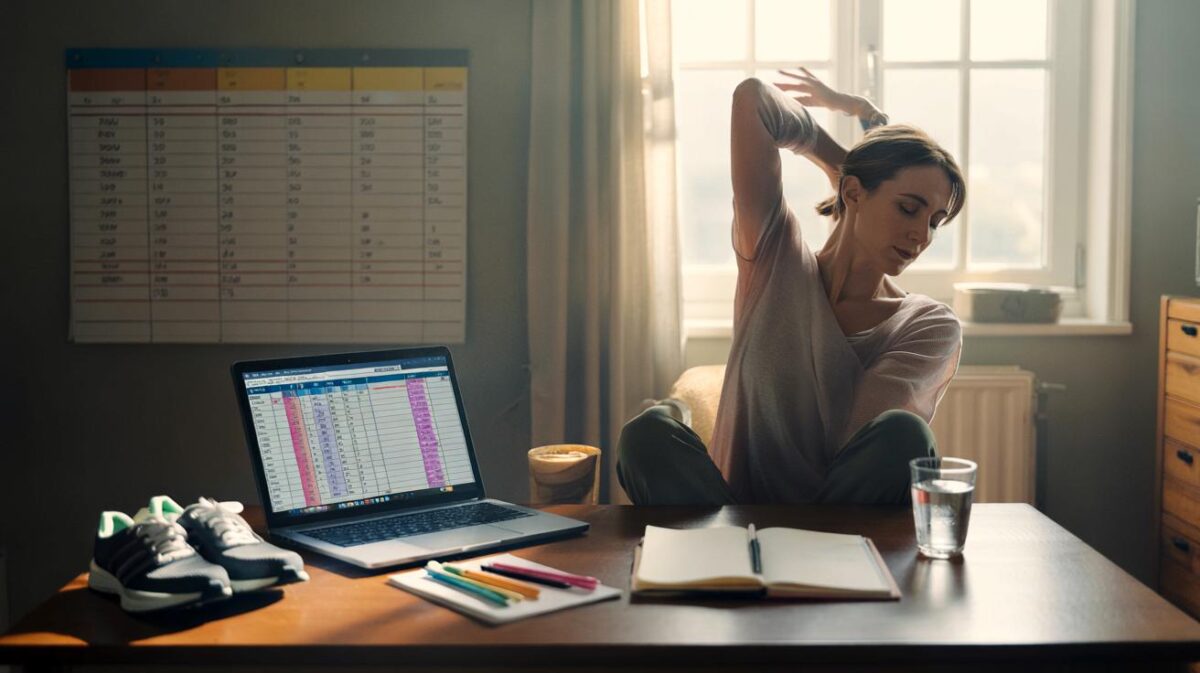
So I stopped aiming for perfection. Instead, I picked a few “anchors”: brushing my teeth, waiting for the kettle, opening my laptop. Those moments became little alarms for my body. I also changed small things around me: raised my screen to eye level with books, slid a cushion behind my lower back, brought my keyboard closer so I wasn’t reaching. Not Pinterest-perfect ergonomics, just less strain. *Good posture started feeling less like a performance and more like a default setting slowly returning.*
We’ve all been there, that moment when you stand up after hours at your desk and your whole body protests like it’s been carrying a backpack of bricks you never noticed putting on.
- Micro-movements
Set a 30-minute timer. When it rings, don’t stretch for ten minutes, just move one joint: roll your shoulders, circle your ankles, turn your head gently side to side. Small, frequent interruptions calm the nervous system. - Breath as posture support
Shift from chest breathing to diaphragmatic breathing: inhale through the nose, let your belly rise, exhale longer than you inhale. This naturally stacks your ribcage and spine in a more neutral position. - Evening “un-hunch” ritual
Spend five minutes on the floor: lie on your back with your calves on a chair, arms relaxed, palms up. Let gravity open your chest and soften your lower back. No phone, no music, just you and your weight on the ground. - Gentle strength, not rigid posing
Think of posture as a balance between support and softness. A few rows, wall push-ups, and hip bridges a week can give your body the strength to stand tall without feeling like a soldier at attention. - One honest body scan a day
Before sleep, mentally scan from your forehead down to your toes. Where are you clenching for no reason? Jaw, tongue, fists, glutes. Release, even if only by 10%. Your body remembers these little mercies.
The quiet conversation between your spine and your life
At some point, I realized my posture wasn’t just “bad” because I sat poorly. It was a kind of biography. On days when I felt overwhelmed, I curled inward as if hiding in plain sight. On days when things flowed, my chest opened a little more, my walk felt lighter. My spine was holding stories that my mouth hadn’t told yet.
Changing how I sat and stood didn’t magically solve my problems, but it did change the volume of the background noise. Fewer tension headaches. Less jaw pain. More awareness of when my body started tightening in meetings, on calls, in crowded trains. That awareness became a quiet boundary: I didn’t have to live hunched over my own life.
| Key point | Detail | Value for the reader |
|---|---|---|
| Subtle tension adds up | Hours of “harmless” slouching reshape muscles, breathing, and mood over time. | Gives a clear reason to care about posture before pain becomes chronic. |
| Small habits beat big fixes | Micro-movements, breath resets, and simple adjustments are easier to sustain than drastic changes. | Makes posture care feel doable in a real, busy life. |
| Posture reflects your inner state | Body language mirrors stress, emotions, and habits, and can also gently influence them back. | Invites readers to use posture as a tool for self-awareness, not just appearance. |
FAQ:
- Is “perfect” posture a real thing?
Not really. Bodies are meant to move, not freeze in one ideal position. Think “comfortable alignment” you can breathe in, not a stiff, military pose you can’t keep.- How long does it take to feel a difference?
Some people notice less neck or back tension in a few days of regular resets. Deeper changes in muscle balance can take weeks or months, but small relief often comes quickly.- Can bad posture really cause headaches?
Yes, tension in the neck and upper back can trigger headaches for many people. Slouching loads those areas more, especially when combined with screen time and stress.- Do I need an expensive ergonomic chair?
Not necessarily. Chair height, screen position, and how you use your body matter as much as the chair itself. Cushions, books under your laptop, and foot support can already help a lot.- Is it too late to fix my posture as an adult?
No. You might not “transform” your shape completely, but muscles and habits are adaptable at any age. Gentle strength work, mobility, and awareness can still bring real relief.